

When shopping for pet insurance, it’s easy to focus on the monthly premium, but the price tells you very little about the company behind the policy. There are other things which matter just as much if not more. Is the insurer going to be there when your pet needs care? How financially stable is the company, how satisfied are customers who are using the service, how quickly do they pay claims, how often do they deny claims, and how transparent are they about exclusions and rate increases? These are all questions that you need to know the answers to before deciding which pet insurance company and plan to choose.
Two policies with similar premiums can deliver very different experiences when it’s time to file a claim. The best way to see those differences is to compare several companies side by side. The table below summarizes what you should really be looking for when you’re deciding what to purchase.
| What to Compare | What to Look For | Where to Check |
| Company reputation | Established history, consistent customer feedback, recurring complaints | Independent reviews, BBB, consumer feedback |
| Financial stability | Underwriting insurer, financial strength ratings | AM Best, insurer disclosures |
| Claims experience | Submission process, reimbursement timelines, customer complaints | Company websites, customer reviews |
| Customer service | Support hours, communication options, responsiveness | Provider websites, customer feedback |
| Pricing consistency | Premium increases, renewal practices, age-related pricing | Sample quotes, policy documents, comparison sites like BestMoney |
| Policy transparency | Clear exclusions, limitations, waiting periods, renewal terms | Sample policies |
| Coverage options | Accident-only, accident and illness, wellness add-ons | Company coverage summaries, comparison marketplaces like BestMoney |
| Provider flexibility | Veterinary access, specialist and emergency care | Policy documents |
| Discounts | Multi-pet, employer, military, or other eligible discounts | Provider websites |
| Digital experience | Online claims, mobile app, account management | Company websites, app reviews |
Table of Contents
Research Each Pet Insurance Company’s Reputation

Start by looking at how long the company has been in business and how much of that time has been spent in pet insurance specifically. A long track record isn’t everything, but it tells you whether the company has experience handling these types of claims or if they’re new to the space.
Read customer reviews across several independent sources rather than a single site. Look for patterns, like similar complaints about denied claims, slow reimbursements, or surprise rate increases. Look for positive feedback, too. Keep in mind that BBB ratings and consumer review scores measure different things.
Check the Company’s Financial Strength and Underwriting Partner
Pet insurance is a long-term relationship. You’re counting on the company to pay claims not just this year, but five or 10 years from now, when your pet is older and more likely to need care. That’s why financial stability matters.
The first step is identifying the actual insurance company underwriting the policy. Many pet insurance brands don’t underwrite their own policies. Instead they partner with a third-party insurer that takes on the financial risk. The brand handles marketing and customer service, but the underwriter is the legal entity responsible for paying your claims.
Once you know who the underwriter is, check whether it has a financial strength rating from AM Best, the leading rating agency for insurers. A rating of A- or better generally indicates that the insurer has an excellent ability to meet its ongoing insurance obligations. Just remember that these ratings measure financial health, not customer service quality.
How Do You Find a Pet Insurer’s Underwriter?
Finding the underwriter can take a bit of effort, but it’s usually listed in one of a few places.
- The website footer: Scroll to the bottom of the homepage or quote page, and you’ll often see something that says “Policies underwritten by [Company Name].”
- A sample policy: Most pet insurers publish sample policies online, and the underwriter’s legal name appears on the first page or declarations page.
- Your quote or policy documents: Look for language like “underwritten by” or “administered by.”
- Your state’s insurance department website: Every insurer must be licensed in your state, so you can look up the company to confirm its legal name and licensing status.
Once you have the underwriter’s name, you can do research into the company.
Compare Customer Service and Claims Handling
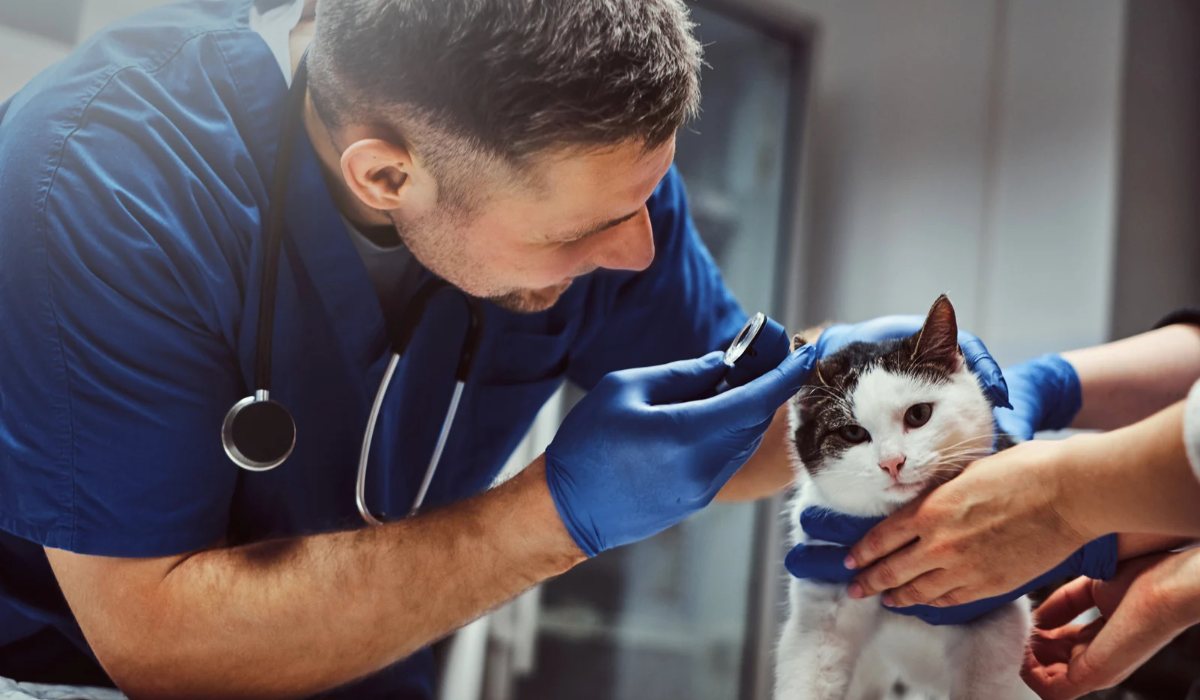
One of the most important parts of choosing the right company is what happens when you actually have to file a claim. Before you buy, find out how the company handles three of the things that matter most: submitting claims, processing them, and supporting you along the way.
How Easy Is It to Submit a Claim?
Check how claims are filed, whether through an online portal, a mobile app, email, or paper forms. Find out what documentation is required, such as itemized invoices and veterinary records, and whether the company can request records directly from your vet to save you the time or if you have to obtain the records and send them over. Some insurers also offer direct payment to the veterinarian, which means you don’t have to pay the full bill upfront and wait to be reimbursed.
How Quickly Does the Company Process Claims?
Compare the company’s published processing timelines against what real customers report, because those timelines don’t always match. Look at how you’ll be reimbursed, and whether direct deposit is available. Check how often customers complain about delays or denied claims, and make sure there’s a clear way to track your claim’s status and appeal a decision you disagree with.
What Support Does the Company Offer?
Review the support channels available, such as phone, email, and live chat, along with their hours. Find out whether help is available during emergencies, how easy it is to reach an actual representative, and whether customers describe the company’s communication as clear and consistent.
Evaluate Pricing Transparency and Long-Term Costs

When comparing prices, you want to make sure you’re actually comparing the same things. Use the same information and coverage settings. Otherwise, a “cheaper” quote may just be a less comprehensive policy.
Then look beyond the first monthly premium. Pet insurance costs almost always rise as your pet ages, and some companies raise rates far more aggressively than others. A transparent company will explain its rate and renewal pricing practices upfront rather than leaving you to discover significant increases down the line.
Also check for administrative extras; some insurers charge enrollment, installment, or transaction fees that add up. Discounts for multiple pets, military service, or employer programs can lower costs, but don’t build your decision around them, since discounts can change or disappear.
Review Each Company’s Coverage Reputation and Policy Transparency

How a company communicates its coverage can tell you a lot about how it will treat you as a customer. The best insurers make it easy to understand what’s covered and what isn’t before you ever pay a premium. Start with exclusions and limitations. Are they clearly spelled out in plain language, or buried in dense policy text?
Pay close attention to how the company defines pre-existing conditions, since this is one of the most common reasons claims get denied. Some companies take a stricter approach than others. Also check how the company presents breed-specific or hereditary-condition restrictions, waiting periods, and bilateral-condition exclusions (where a condition affecting one side of the body, like a knee injury, excludes the other side too).
A transparent insurer discloses these clearly rather than letting you find out when you go to make a claim.
Compare Cancellation Policies
Before you sign up with any company, find out how easy it is to leave. Most pet insurers let you cancel at any time, but the details vary. Check how the company handles unused premiums and whether there are any cancellation fees. Some companies also offer a “free look” period, often ranging from 10 to 30 days, during which you may be able to cancel for a full refund as long as you haven’t made a claim. The specifics will depend on which company you choose.
A company that makes cancellation simple and explains the process clearly is showing you how it treats customers, including those who will no longer be using their service.
Compare Pet Insurance Companies Using Independent Reviews and Comparison Websites
Figuring out which pet insurance company to go with can be overwhelming, but the good news is that you don’t have to start from scratch. Independent reviews, rankings, and comparison platforms have already done a lot of the work for you.
Use Multiple Sources to Evaluate Providers
Start with editorial reviews from established financial and insurance publications, which typically evaluate companies on coverage, pricing, and customer experience. The most trustworthy reviews publish their evaluation methodology, so you can see exactly how the rankings were determined. Check when a review or ranking was last updated; pet insurance pricing and policies change often, and a two-year-old review may no longer be accurate.
As you read, you’ll need to distinguish between three very different things: editorial assessments written by reviewers, customer reviews reflecting individual experiences, and sponsored placements that companies pay for. Each has value, but they shouldn’t be weighed the same way. And before making any decision based on a review, verify the important details, like coverage terms, pricing, and waiting periods, directly with the insurance company.
Use Pet Insurance Comparison Marketplaces
Comparison platforms let you research multiple providers in one place instead of visiting every insurer’s website individually. BestMoney is one marketplace readers can use to explore pet insurance providers, with side-by-side comparisons, provider details, and explanations of the policies and companies in plain language that make it easier for you to understand your options.
BestMoney is free for consumers and supported by advertising, which means partner compensation may influence how companies are ranked or displayed. That doesn’t make the information less useful; it just means you should keep it in mind. Comparison marketplaces also may not include every insurer on the market, so use them as a starting point alongside your own independent research.
Request Quotes From at Least Three Pet Insurance Companies

Getting a single quote tells you almost nothing because you have no way of knowing whether it’s a good deal. Narrow the list to the top two or three companies and request quotes from them. This gives you a real sense of the market and reveals how much pricing varies for the same pet.
To make the comparison meaningful, use identical pet information for every quote and select the same deductible, reimbursement rate, and annual limit whenever possible. Confirm whether each quoted premium already includes discounts, since a quote with a bundled discount can look cheaper than it really is.
Check whether the quote is an estimate or a final offer, as some premiums change after the insurer reviews your pet’s records. Before deciding, read the sample policy documents for your top choices. And remember that price is only part of the equation; a slightly more expensive policy from a company with a strong claims and service reputation could end up being the better value. Compare your finalists with your pet’s specific situation, and choose based on that. Ultimately, you want to choose the policy that is going to be the most effective for you and your pet.
The Bottom Line on Comparing Pet Insurance Companies
At the end of the day, you’re buying a policy that you hopefully don’t have to use. The reality is that many people do end up needing coverage. It’s critical to make sure the company you choose will treat you and your pet the way you both deserve to be treated. Comparing pet insurance companies takes a little time upfront, but it pays off the first time you file a claim. Do the research now, pick a company you trust, and you’ll never have to choose between your wallet and your pet’s health.
Leave a Reply